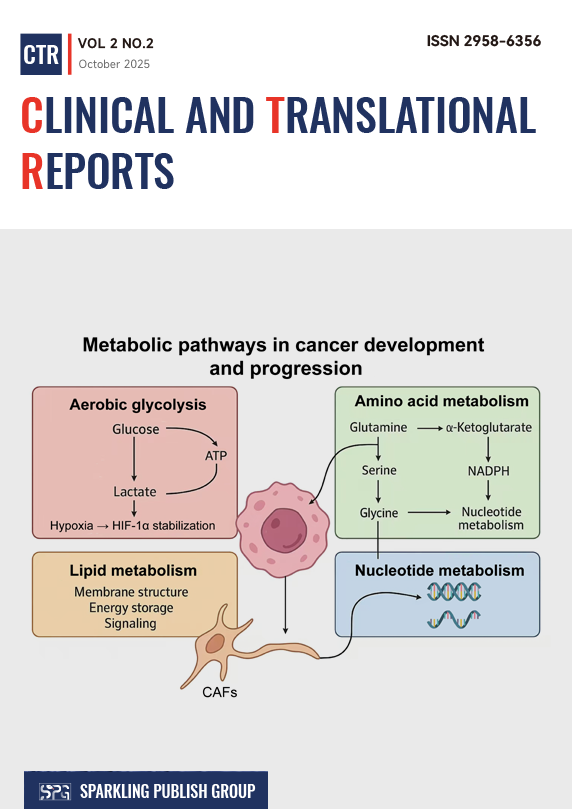
Metabolic reprogramming is a defining hallmark of cancer, enabling malignant cells to sustain growth while adapting to nutrient scarcity and immune surveillance. Among the diverse substrates that fuel these processes, amino acids occupy a central position due to their essential roles in bioenergetics, biosynthesis, and signaling. Cancer cells frequently develop “amino acid addiction,” a state of heightened dependency on specific amino acids such as glutamine, serine, glycine, tryptophan, arginine, and methionine. This rewiring not only supports proliferation and redox balance but also remodels the tumor microenvironment (TME) by impairing immune surveillance and promoting therapeutic resistance. Pharmacological inhibition of metabolic enzymes, enzyme deprivation strategies, and dietary interventions have shown efficacy in selectively disrupting amino acid–dependent pathways. Moreover, integrating amino acid–directed therapies with immunotherapy or chemotherapy holds potential to overcome resistance and enhance clinical outcomes. Despite these advances, challenges remain, including tumor heterogeneity, adaptive resistance mechanisms, and the need for patient stratification based on metabolic profiles. This review summarizes the molecular mechanisms underlying amino acid metabolic reprogramming, delineates its interactions with the tumor microenvironment, and discusses potential therapeutic approaches aimed at exploiting amino acid vulnerabilities in cancer.
1. Nenkov M, Ma Y, Gassler N, Chen Y. Metabolic reprogramming of colorectal cancer cells and the microenvironment: implication for therapy. International journal of molecular sciences. 2021;22(12):6262.
2. Lieu EL, Nguyen T, Rhyne S, Kim J. Amino acids in cancer. Experimental & molecular medicine. 2020;52(1):15-30.
3. Egbujor MC, Olaniyan OT, Emeruwa CN, Saha S, Saso L, Tucci P. An insight into role of amino acids as antioxidants via NRF2 activation. Amino Acids. 2024;56(1):23.
4. Takahara T, Amemiya Y, Sugiyama R, Maki M, Shibata H. Amino acid-dependent control of mTORC1 signaling: a variety of regulatory modes. Journal of biomedical science. 2020;27(1):87.
5. Bott AJ, Maimouni S, Zong W-X. The pleiotropic effects of glutamine metabolism in cancer. Cancers. 2019;11(6):770.
6. Yoo HC, Yu YC, Sung Y, Han JM. Glutamine reliance in cell metabolism. Experimental & molecular medicine. 2020;52(9):1496-516.
7. Pan S, Fan M, Liu Z, Li X, Wang H. Serine, glycine and one‑carbon metabolism in cancer. International Journal of Oncology. 2021;58(2):158-70.
8. Wu J, Palasantzas V, Andreu-Sánchez S, Plösch T, Leonard S, Li S, et al. Epigenome-wide association study on the plasma metabolome suggests self-regulation of the glycine and serine pathway through DNA methylation. Clinical Epigenetics. 2024;16(1):104.
9. Seo S-K, Kwon B. Immune regulation through tryptophan metabolism. Experimental & Molecular Medicine. 2023;55(7):1371-9.
10. Bai D, Zhou Y, Jing L, Guo C, Yang Q. Arginine metabolism in cancer biology and immunotherapy. Immune Network. 2025;25(4):e30.
11. Guéant J-L, Oussalah A, Zgheib R, Siblini Y, Hsu SB, Namour F. Genetic, epigenetic and genomic mechanisms of methionine dependency of cancer and tumor-initiating cells: What could we learn from folate and methionine cycles. Biochimie. 2020;173:123-8.
12. Endicott M, Jones M, Hull J. Amino acid metabolism as a therapeutic target in cancer: a review. Amino Acids. 2021;53(8):1169-79.
13. Li X, Peng X, Li Y, Wei S, He G, Liu J, et al. Glutamine addiction in tumor cell: oncogene regulation and clinical treatment. Cell Communication and Signaling. 2024;22(1):12.
14. Hashimoto N, Nagano H, Tanaka T. The role of tumor suppressor p53 in metabolism and energy regulation, and its implication in cancer and lifestyle-related diseases. Endocrine Journal. 2019;66(6):485-96.
15. Jiang M, Fang H, Tian H. Metabolism of cancer cells and immune cells in the initiation, progression, and metastasis of cancer. Theranostics. 2025;15(1):155.
16. Yang L, Chu Z, Liu M, Zou Q, Li J, Liu Q, et al. Amino acid metabolism in immune cells: essential regulators of the effector functions, and promising opportunities to enhance cancer immunotherapy. Journal of Hematology & Oncology. 2023;16(1):59.
17. Stone TW, Williams RO. Interactions of IDO and the kynurenine pathway with Cell Transduction Systems and Metabolism at the Inflammation–Cancer Interface. Cancers. 2023;15(11):2895.
18. Zhao B, Wang J, Chen L, Wang H, Liang C-Z, Huang J, et al. The role of glutamine metabolism in castration-resistant prostate cancer. Asian Journal of Andrology. 2023;25(2):192-7.
19. Reina-Campos M, Diaz-Meco MT, Moscat J. The complexity of the serine glycine one-carbon pathway in cancer. Journal of Cell Biology. 2019;219(1):e201907022.
20. Lu Z, Zhang C, Zhang J, Su W, Wang G, Wang Z. The Kynurenine Pathway and Indole Pathway in Tryptophan Metabolism Influence Tumor Progression. Cancer Medicine. 2025;14(6):e70703.
21. Kurhaluk N, Tkaczenko H. L-Arginine and Nitric Oxide in Vascular Regulation—Experimental Findings in the Context of Blood Donation. Nutrients. 2025;17(4):665.
22. Pascale RM, Peitta G, Simile MM, Feo F. Alterations of methionine metabolism as potential targets for the prevention and therapy of hepatocellular carcinoma. Medicina. 2019;55(6):296.
23. Erb HH, Polishchuk N, Stasyk O, Kahya U, Weigel MM, Dubrovska A. Glutamine metabolism and prostate cancer. Cancers. 2024;16(16):2871.
24. Encarnacion-Rosado J, Kimmelman AC. Harnessing metabolic dependencies in pancreatic cancers. Nature Reviews Gastroenterology & Hepatology. 2021;18(7):482-92.
25. Quek L-E, van Geldermalsen M, Guan YF, Wahi K, Mayoh C, Balaban S, et al. Glutamine addiction promotes glucose oxidation in triple-negative breast cancer. Oncogene. 2022;41(34):4066-78.
26. Andersen JV. The Glutamate/GABA‐Glutamine Cycle: Insights, Updates, and Advances. Journal of Neurochemistry. 2025;169(3):e70029.
27. Olawuni B, Bode BP. Asparagine as a signal for glutamine sufficiency via asparagine synthetase: a fresh evidence-based framework in physiology and oncology. American Journal of Physiology-Cell Physiology. 2024;327(5):C1335-C46.
28. Tang E, Liu S, Zhang Z, Zhang R, Huang D, Gao T, et al. Therapeutic potential of glutamine pathway in lung cancer. Frontiers in oncology. 2022;11:835141.
29. Vidula N, Yau C, Rugo HS. Glutaminase (GLS1) gene expression in primary breast cancer. Breast Cancer. 2023;30(6):1079-84.
30. Dias MM, Adamoski D, Dos Reis LM, Ascenção CF, de Oliveira KR, Mafra ACP, et al. GLS2 is protumorigenic in breast cancers. Oncogene. 2020;39(3):690-702.
31. Pacifico F, Leonardi A, Crescenzi E. Glutamine metabolism in cancer stem cells: a complex liaison in the tumor microenvironment. International Journal of Molecular Sciences. 2023;24(3):2337.
32. He J, Mao Y, Huang W, Li M, Zhang H, Qing Y, et al. Methylcrotonoyl-CoA carboxylase 2 promotes proliferation, migration and invasion and inhibits apoptosis of prostate cancer cells through regulating GLUD1-P38 MAPK signaling pathway. OncoTargets and therapy. 2020:7317-27.
33. Asantewaa G, Harris IS. Glutathione and its precursors in cancer. Current opinion in biotechnology. 2021;68:292-9.
34. Kumar MA, Baba SK, Khan IR, Khan MS, Husain FM, Ahmad S, et al. Glutamine Metabolism: Molecular Regulation, Biological Functions, and Diseases. MedComm. 2025;6(7):e70120.
35. Zhao X, Petrashen AP, Sanders JA, Peterson AL, Sedivy JM. SLC1A5 glutamine transporter is a target of MYC and mediates reduced mTORC1 signaling and increased fatty acid oxidation in long‐lived Myc hypomorphic mice. Aging cell. 2019;18(3):e12947.
36. Cuthbertson C. Inhibition of Nucleotide and One-Carbon Metabolism for the Treatment of Cancer 2021.
37. Xia J, Zhang J, Wu X, Du W, Zhu Y, Liu X, et al. Blocking glycine utilization inhibits multiple myeloma progression by disrupting glutathione balance. Nature Communications. 2022;13(1):4007.
38. Wang P, Du X, Han Z, Zhong J, Yuan J, Jiang L, et al. Nuclear PHGDH regulates macrophage polarization through transcriptional repression of GLUD1 and GLS2 in breast cancer. Cancer Biology & Medicine. 2025;22(5):502-24.
39. Geeraerts SL, De Keersmaecker K, Cammue B, Thevissen K, Kampen K. Metabolic rewiring in cancer: Pharmacological targeting of serine/glycine synthesis addicted cancers. 2020.
40. Bi F, An Y, Sun T, You Y, Yang Q. PHGDH is upregulated at translational level and implicated in platin-resistant in ovarian cancer cells. Frontiers in Oncology. 2021;11:643129.
41. Yoon BK, Kim H, Oh TG, Oh SK, Jo S, Kim M, et al. PHGDH preserves one-carbon cycle to confer metabolic plasticity in chemoresistant gastric cancer during nutrient stress. Proceedings of the National Academy of Sciences. 2023;120(21):e2217826120.
42. Sobral AF, Cunha A, Silva V, Gil-Martins E, Silva R, Barbosa DJ. Unveiling the therapeutic potential of folate-dependent one-carbon metabolism in cancer and neurodegeneration. International Journal of Molecular Sciences. 2024;25(17):9339.
43. Bernasocchi T, Mostoslavsky R. Subcellular one carbon metabolism in cancer, aging and epigenetics. Frontiers in epigenetics and epigenomics. 2024;2:1451971.
44. Majumder A, Bano S, Nayak K. The Pivotal Role of One-Carbon Metabolism in Neoplastic Progression During the Aging Process. Biomolecules 2024, 14, 1387.2024.
45. Badawy AA-B. Tryptophan metabolism and disposition in cancer biology and immunotherapy. Bioscience Reports. 2022;42(11):BSR20221682.
46. Hutchinson AP, Yin P, Neale I, Coon JS, Kujawa SA, Liu S, et al. Tryptophan 2, 3-dioxygenase-2 in uterine leiomyoma: dysregulation by MED12 mutation status. Reproductive Sciences. 2022;29(3):743-9.
47. Hubková B, Valko-Rokytovská M, Čižmárová B, Zábavníková M, Mareková M, Birková A. Tryptophan: its metabolism along the kynurenine, serotonin, and indole pathway in malignant melanoma. International Journal of Molecular Sciences. 2022;23(16):9160.
48. Gostner JM, Fuchs D, Kurz K. Metabolic stress and immunity: nutrient-sensing kinases and tryptophan metabolism. Protein Kinase-mediated Decisions Between Life and Death: Springer; 2021.p. 395-405.
49. Stone TW, Williams RO. Modulation of T cells by tryptophan metabolites in the kynurenine pathway. Trends in Pharmacological Sciences. 2023;44(7):442-56.
50. Ala M. Tryptophan metabolites modulate inflammatory bowel disease and colorectal cancer by affecting immune system. International reviews of immunology. 2022;41(3):326-45.
51. Zhao J, Bai X, Du J, Chen Y, Guo X, Zhang J, et al. Tryptophan metabolism: From physiological functions to key roles and therapeutic targets in cancer. Oncology Reports. 2025;54(1):86.
52. Pirini F, Ferrari A, Jandoubi M, Azzali I, Angeli D, Mondrone R, et al. Polyamines at the crossroad between cell metabolism and epigenetic regulation in acute leukemias. Cell Death Discovery. 2025;11(1):301.
53. Sun N, Zhao X. Argininosuccinate synthase 1, arginine deprivation therapy and cancer management. Frontiers in Pharmacology. 2022;13:935553.
54. Alexandrou C. Targeting Arginine Auxotrophy in Colorectal Cancer: University of Leicester; 2019.
55. Kim JS, Choi W-M, Kim H-I, Chung SW, Choi J, Lee D, et al. Synergistic effects of L-arginine and argininosuccinate synthetase 1 in inducing apoptosis in hepatocellular carcinoma. Journal of Liver Cancer. 2025;25(1):79-90.
56. Zhu M, Hu Y, Gu Y, Lin X, Jiang X, Gong C, et al. Role of amino acid metabolism in tumor immune microenvironment of colorectal cancer. American Journal of Cancer Research. 2025;15(1):233.
57. Yang J-S, Wang C-C, Qiu J-D, Ren B, You L. Arginine metabolism: a potential target in pancreatic cancer therapy. Chinese medical journal. 2021;134(1):28-37.
58. Lin Y, Zhang Y, Huang T, Chen J, Li G, Zhang B, et al. Arginine Deprivation Induces Quiescence and Confers Vulnerability to Ferroptosis in Colorectal Cancer. Cancer Research. 2025;85(9):1663-79.
59. Mossmann D, Müller C, Park S, Ryback B, Colombi M, Ritter N, et al. Arginine reprograms metabolism in liver cancer via RBM39. Cell. 2023;186(23):5068-83.e23.
60. Liu F, Zhou H, Peng Y, Qiao Y, Wang P, Si C, et al. Plasma One-Carbon Metabolism-Related Micronutrients and the Risk of Breast Cancer: Involvement of DNA Methylation. Nutrients. 2023;15(16):3621.
61. Tellai AD, Haghnejad V, Antoine J, Merouani BK, Bronowicki J-P, Dreumont N. The complex post-transcriptional regulation of genes coding for methionine adenosyl transferase: New insights for liver cancer. Biochimie. 2025.
62. Wang K, Liu H, Liu J, Wang X, Teng L, Zhang J, et al. IL1RN mediates the suppressive effect of methionine deprivation on glioma proliferation. Cancer Letters. 2019;454:146-57.
63. Li J-T, Yang H, Lei M-Z, Zhu W-P, Su Y, Li K-Y, et al. Dietary folate drives methionine metabolism to promote cancer development by stabilizing MAT IIA. Signal Transduction and Targeted Therapy. 2022;7(1):192.
64. Lee N, Carlisle AE, Peppers A, Park SJ, Doshi MB, Spears ME, et al. xCT-driven expression of GPX4 determines sensitivity of breast cancer cells to ferroptosis inducers. Antioxidants. 2021;10(2):317.
65. Dimou A, Tsimihodimos V, Bairaktari E. The critical role of the branched chain amino acids (BCAAs) catabolism-regulating enzymes, branched-chain aminotransferase (BCAT) and branched-chain α-keto acid dehydrogenase (BCKD), in human pathophysiology. International Journal of Molecular Sciences. 2022;23(7):4022.
66. Zhang B, Chen Y, Shi X, Zhou M, Bao L, Hatanpaa KJ, et al. Regulation of branched-chain amino acid metabolism by hypoxia-inducible factor in glioblastoma. Cellular and Molecular Life Sciences. 2021;78(1):195-206.
67. Kikushige Y, Miyamoto T, Kochi Y, Semba Y, Ohishi M, Irifune H, et al. Human acute leukemia uses branched-chain amino acid catabolism to maintain stemness through regulating PRC2 function. Blood advances. 2023;7(14):3592-603.
68. Zou H, Liao M, Xu W, Yao R, Liao W. Data mining of the expression and regulatory role of BCAT1 in hepatocellular carcinoma. Oncology letters. 2019;18(6):5879-88.
69. Wang D, Zou S, Ding J, Gao C, Wang J, Tang Z. Crosstalk between dysregulated amino acid sensing and glucose and lipid metabolism in colorectal cancer. Frontiers in Oncology. 2025;15:1665056.
70. Kuo MT, Chen HH, Feun LG, Savaraj N. Targeting the proline–glutamine–asparagine–arginine metabolic axis in amino acid starvation cancer therapy. Pharmaceuticals. 2021;14(1):72.
71. Sánchez-Castillo A, Vooijs M, Kampen KR. Linking serine/glycine metabolism to radiotherapy resistance. Cancers. 2021;13(6):1191.
72. Chisari A, Golán I, Campisano S, Gélabert C, Moustakas A, Sancho P, et al. Glucose and amino acid metabolic dependencies linked to stemness and metastasis in different aggressive cancer types. Frontiers in Pharmacology. 2021;12:723798.
73. Li T, Copeland C, Le A. Glutamine metabolism in cancer. The Heterogeneity of Cancer Metabolism: Springer International Publishing Cham; 2021.p. 17-38.
74. Su C, Li M, Yang Y, Wang Z, Wang Q, Wang W, et al. Targeting glutamine metabolism through glutaminase inhibition suppresses cell proliferation and progression in nasopharyngeal carcinoma. Anti-Cancer Agents in Medicinal Chemistry-Anti-Cancer Agents). 2023;23(17):1944-57.
75. Emberley E, Pan A, Chen J, Dang R, Gross M, Huang T, et al. The glutaminase inhibitor telaglenastat enhances the antitumor activity of signal transduction inhibitors everolimus and cabozantinib in models of renal cell carcinoma. PLoS One. 2021;16(11):e0259241.
76. Wu Z, Wang H, Zheng Z, Lin Y, Bian L, Geng H, et al. IDO1 inhibition enhances CLDN18. 2-CAR-T cell therapy in gastrointestinal cancers by overcoming kynurenine-mediated metabolic suppression in the tumor microenvironment. Journal of Translational Medicine. 2025;23(1):275.
77. Arlt B, Mastrobuoni G, Wuenschel J, Astrahantseff K, Eggert A, Kempa S, et al. Inhibiting PHGDH with NCT-503 reroutes glucose-derived carbons into the TCA cycle, independently of its on-target effect. Journal of enzyme inhibition and medicinal chemistry. 2021;36(1):1282-9.
78. Chu Y-D, Lai M-W, Yeh C-T. Unlocking the potential of arginine deprivation therapy: recent breakthroughs and promising future for cancer treatment. International journal of molecular sciences. 2023;24(13):10668.
79. Badeaux MD, Rolig AS, Agnello G, Enzler D, Kasiewicz MJ, Priddy L, et al. Arginase therapy combines effectively with immune checkpoint blockade or agonist anti-OX40 immunotherapy to control tumor growth. Cancer Immunology Research. 2021;9(4):415-29.
80. Field GC, Pavlyk I, Szlosarek PW. Bench-to-bedside studies of arginine deprivation in cancer. Molecules. 2023;28(5):2150.
81. Chiu M, Taurino G, Bianchi MG, Kilberg MS, Bussolati O. Asparagine synthetase in cancer: beyond acute lymphoblastic leukemia. Frontiers in oncology. 2020;9:1480.
82. Muranaka H, Akinsola R, Billet S, Pandol SJ, Hendifar AE, Bhowmick NA, et al. Glutamine supplementation as an anticancer strategy: a potential therapeutic alternative to the convention. Cancers. 2024;16(5):1057.
83. Jiang J, Srivastava S, Zhang J. Starve cancer cells of glutamine: break the spell or make a hungry monster? Cancers. 2019;11(6):804.
84. Sanderson SM, Gao X, Dai Z, Locasale JW. Methionine metabolism in health and cancer: a nexus of diet and precision medicine. Nature Reviews Cancer. 2019;19(11):625-37.
85. Wanders D, Hobson K, Ji X. Methionine restriction and cancer biology. Nutrients. 2020;12(3):684.
86. Gao X, Sanderson SM, Dai Z, Reid MA, Cooper DE, Lu M, et al. Dietary methionine restriction targets one carbon metabolism in humans and produces broad therapeutic responses in cancer. BioRxiv. 2019:627364.
87. Chen T, Zhang J, Zeng H, Zhang Y, Zhang Y, Zhou X, et al. Antiproliferative effects of L-asparaginase in acute myeloid leukemia. Experimental and Therapeutic Medicine. 2020;20(3):2070-8.